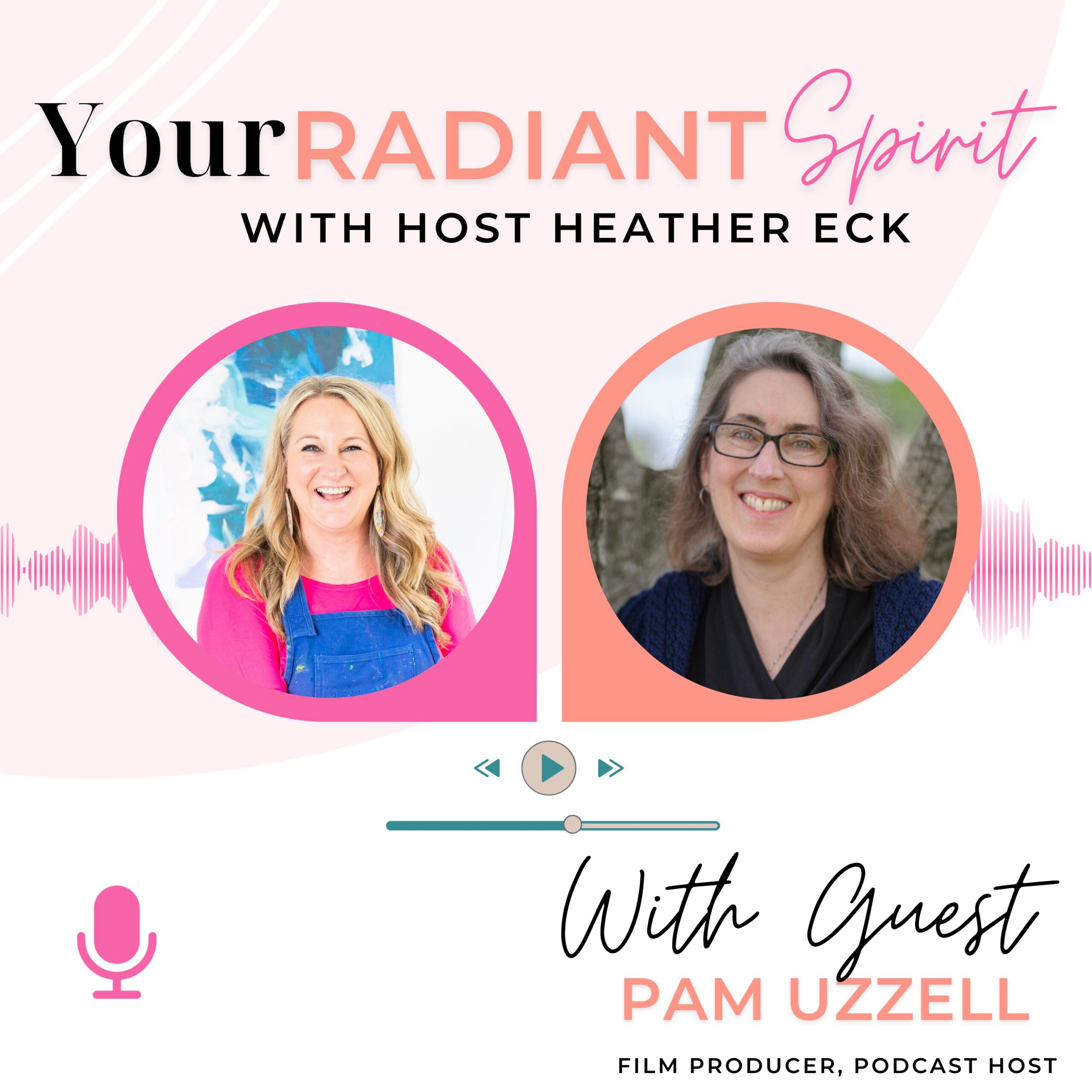



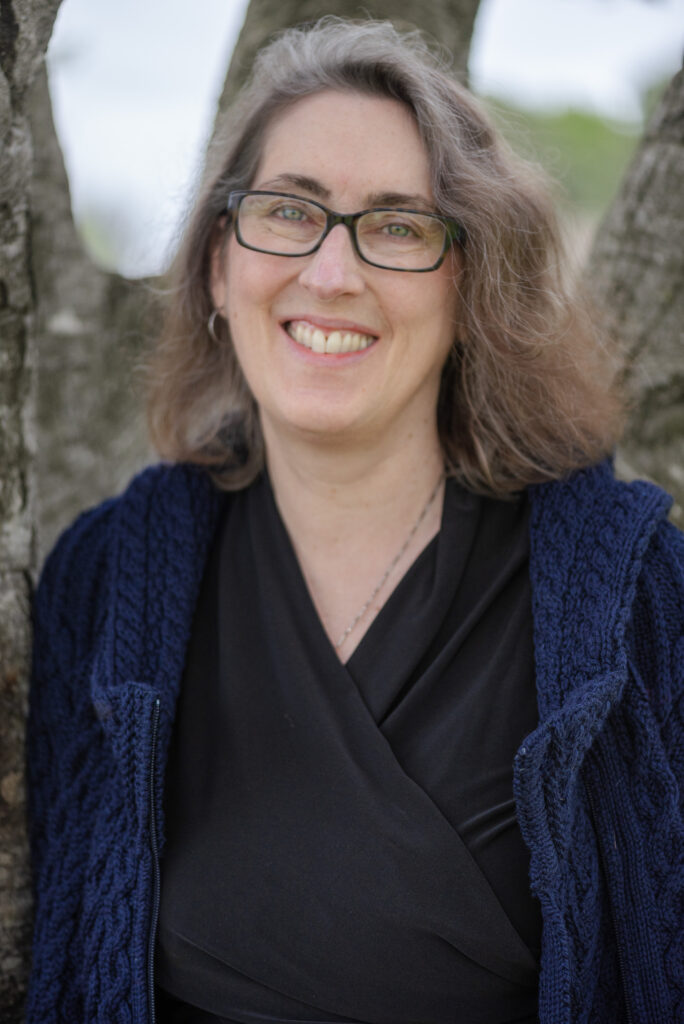
Documentary filmmaker and podcast host Pam Uzzell joins Heather Eck on Your Radiant Spirit to explore storytelling as medicine, the healing power of community, and why art is essential to what makes us human.
There’s a line from the book Your Brain on Art that Pam Uzzell shared in our conversation that I haven’t been able to stop thinking about since.
“Art and culture turned us into humans. It is not a nice to have. It is a must have.”
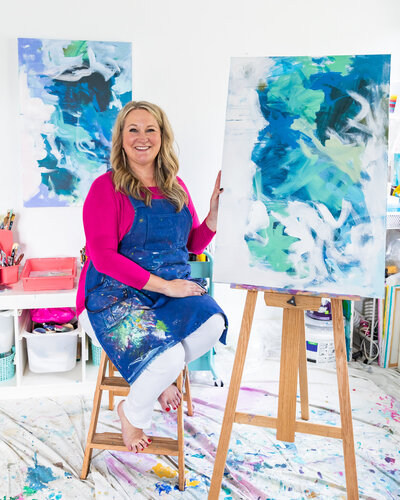
I believe this with every part of myself. As an intuitive artist and guide, I’ve watched color shift people’s energy in a single session. I’ve seen what happens when someone sits down to create without agenda, without judgment, without their phone — just with a brush and an open heart. Something loosens. Something surfaces. Something heals.
And in this episode of Your Radiant Spirit, Pam Uzzell helped me see that truth in an even wider frame.
From Semiotics to Storytelling: How Pam Found Her Calling
Pam didn’t grow up thinking she’d work in a creative field, even though she was always a crafter, a storyteller, and an avid reader. She studied semiotics in college, moved into feature film sound production, and it wasn’t until graduate school — after her first child was born — that she discovered documentary filmmaking.
“It was that moment,” she told me, “where you feel like, oh, this is my calling. To sit down and have other people tell me their stories, and then you put it all together and present a story to the world that’s really touched you.”
That calling has led her to make four documentaries, including a deeply moving film about the Black high schools in Malvern, Arkansas before desegregation. The people she interviewed, she says, already moved through the world with a remarkable sense of value and ownership of their own story. And watching them stand up at screenings to speak — with ease, with presence, with authority — was a lesson in the power of knowing and sharing your story.
Storytelling as Medicine
Pam started her podcast, Art Heals All Wounds, during the pandemic — almost by accident. Her first episode was about Theater Lab in Washington DC, a theater group whose “Life Stories” program invites incarcerated youth, veterans, seniors, and women in shelters to write their own life stories and perform them. She just wanted to tell their story. But it was so fulfilling that she kept going.
What she has discovered, across dozens of conversations with artists, filmmakers, musicians, and writers, is that the healing isn’t just in the art itself — it’s in the telling. When you perform your own story, Pam says, you take ownership of it. You realize that the story isn’t finished yet. You are still its author.
The Thing We Lost — and How We Get It Back
One of the most resonant threads of our conversation was about what we have lost since the pandemic: in-person community, spontaneous connection, the simple act of being in a room with other people experiencing the same thing at the same time.
Pam has been part of organizing community film screenings in the Bay Area, bringing together local filmmakers for intimate, 50-person events where the conversation afterward is just as rich as the films. She has joined a drum circle. She went to the Cruel World Festival (an 80s new wave music festival she’d been saying for years she’d get to someday). And she noticed something: each of these experiences was healing in a way that a scroll through Instagram simply cannot replicate.
“Conversation is the last way we have to truly understand each other,” her graduate school professor once told her. And she has spent her entire career proving that true.
What the Luddite Teenagers Understood
Pam shared something that stopped me in my tracks: a movement of teenagers who, recognizing how hollow and harmful constant screen time felt, swapped their smartphones for flip phones and started organizing in-person meetups. They’re called the Luddites, and they’re taking their clubs to college.
It’s not a revolution. But it’s a signal. These young people understand, intuitively, what science has been slowly confirming: that being physically together — creating together, watching together, talking together — is not a luxury. It is medicine.
Color, Art & the Medicine of Gathering
I left this conversation thinking about my own creative community — the two weeks I spent at an artist residency in France earlier this year, gathered with musicians, composers, dancers, and writers. Every evening in the salon, asking each other: what did you create today? What surprised you? What moved you?
That’s what I’m trying to create in a smaller way, every third Sunday, through the Color Healing Creative Workshop Series. A phone-free, nourishing space for $77 a month where you can put down the scroll and pick up a brush, and let art do what art has always done — help you come home to yourself. You can find all the details at heathereck.com.
Frequently Asked Questions About Art as Healing
How does art heal the body and mind?
Research in neuroaesthetics and the book Your Brain on Art shows that just 15 minutes of creative activity can lower cortisol levels, calm the nervous system, and shift emotional states. Art engages multiple areas of the brain simultaneously and activates the body’s relaxation response, making it a genuinely therapeutic practice — not just a pastime.
What is the Art Heals All Wounds podcast?
Art Heals All Wounds is a podcast hosted by Pam Uzzell, an Oakland-based documentary filmmaker. The show features conversations with artists, creatives, and storytellers exploring how art — in all its forms — heals individuals and brings communities together. Find it at arthealallwoundspodcast.com.
Why is in-person community important for healing?
Humans are wired for co-regulation — our nervous systems literally calm down in the presence of safe, connected others. In-person gatherings, creative communities, and shared experiences like music, film screenings, or art workshops offer a quality of connection that digital interaction cannot replicate. As Pam Uzzell and Heather Eck discuss in this episode, reclaiming in-person creative community may be one of the most healing things we can do right now.
What is the Your Radiant Spirit podcast?
Your Radiant Spirit is a podcast hosted by Heather Eck, an intuitive artist and spiritual guide based in North Carolina. Each episode explores the intersection of color, energy, creativity, and healing through personal stories and deep conversations. Listen wherever you stream podcasts or visit heathereck.com.

View comments
+ Leave a comment